The Types of Agencies Explained
"Agency" is one word doing a lot of work. A branding studio, a media buyer, and a digital product shop are all agencies, and they do very different jobs. This is a plain-language guide to the main types, what each one is for, and how to pick the right one.
Key takeaways
- The main types are advertising, branding, digital product and UX, strategy, media and performance, social and content, motion, experiential, PR, and packaging.
- Branding builds a company's identity; advertising takes that brand to market with campaigns.
- A specialist goes deep on one craft; a full-service or integrated agency coordinates many disciplines under one roof.
- Choose a specialist for focused projects and a full-service or lead agency for multi-discipline programs.
- Freelancers suit focused, well-defined work; agencies suit large, multi-discipline projects that need a full team.

What this guide covers
Why the type matters
Most disappointing agency relationships start with a mismatch. A company hires a beautiful branding studio to run a performance media campaign, or asks a digital product shop to craft a brand voice, and then wonders why the work feels off. Studios are built around a craft. Matching your project to the right type is the single biggest lever you have on the outcome, and it costs nothing but a little clarity up front.
The main types of agencies
These are the categories you will run into most often. Plenty of agencies blend two or three, but the labels still tell you where a studio's center of gravity is. Here is the quick-reference version before the detail below:
| Type | What it does | Hire when |
|---|---|---|
| Advertising | Campaign ideas across TV, digital, social, out-of-home | You need the world to notice |
| Branding & identity | Name, logo, visual system, voice, guidelines | Launching or rebranding |
| Digital product & UX | Websites, apps, digital products | The experience is the product |
| Strategy | Positioning, research, decision-guiding thinking | Before anyone designs a thing |
| Media & performance | Media planning, buying, trackable campaigns | Goal is efficient, measurable reach |
| Social & content | Platform-native content, community | You need always-on presence |
| Motion & film | Video, animation, brand films | The story is best told in motion |
| Experiential | Events, activations, installations | The brand needs to exist in person |
| PR & communications | Earned media, reputation, comms | The story being told is the priority |
| Packaging | Physical packaging systems | The package is doing the selling |
Advertising agencies
The classic agency. Advertising agencies develop big campaign ideas and produce the work that carries them across TV, digital, social, and out-of-home. Hire one when you have a brand and a product and you need the world to notice. By market, see New York advertising agencies or Los Angeles advertising agencies. A few standouts from the directory: Wieden+Kennedy, Droga5, Mischief, and Rethink, Ad Age's 2026 Agency of the Year.
Branding and identity agencies
Branding and identity agencies build the core of a company: its name, logo, visual system, voice, and the guidelines that keep it consistent. Hire one when you are launching, rebranding, or your identity no longer fits who you have become. By market, see Austin branding agencies or San Francisco branding agencies. Profiles worth a look: Pentagram, Koto, and Turner Duckworth.
Digital product and UX agencies
Digital product and UX agencies design and build websites, apps, and digital products with a focus on how they work, not just how they look. Hire one when the experience itself is the product. From the directory: Work & Co, Instrument, and Huge.
Strategy agencies
Strategy agencies focus on positioning, research, and the thinking that guides creative and business decisions. Hire one when you need to figure out what to say and where to play before anyone designs a thing. In the directory, see Wolff Olins, Zeus Jones, and Motto.
Media and performance agencies
Media and performance agencies plan and buy media and run data-driven campaigns built to deliver measurable results. Hire one when your goal is efficient reach and outcomes you can track to the dollar. Directory examples: VCCP, DEPT, and McCann.
Social and content agencies
Social and content agencies live in the feed, producing the steady stream of platform-native content and community work that keeps a brand present day to day. Hire one when you need always-on, not a one-time campaign. A few from the directory: MOJO Supermarket, Maximum Effort, and Stink Studios.
Motion and film agencies
Motion and film agencies specialize in video, animation, and motion design, from brand films to product explainers. Hire one when the story is best told in motion. Studios worth studying: BUCK, Gretel, and Los York.
Experiential agencies
Experiential agencies create live and physical brand experiences: events, activations, installations, and the moments people show up for. Hire one when you need the brand to exist in the real world. From the directory: XD Agency, Uncommon Creative Studio, and Zeus Jones.
PR and communications agencies
PR and communications agencies manage public relations, earned media, and brand communications. Hire one when reputation, press, and the story being told about you are the priority. Directory picks: Zambezi, Rethink, and redpepper.
Packaging agencies
Packaging agencies design the physical packaging that sells a product on the shelf and in the unboxing. Hire one when the package is doing the selling. Profiles worth a look: JKR, Turner Duckworth, and Trace Element.
Full-service vs. specialist
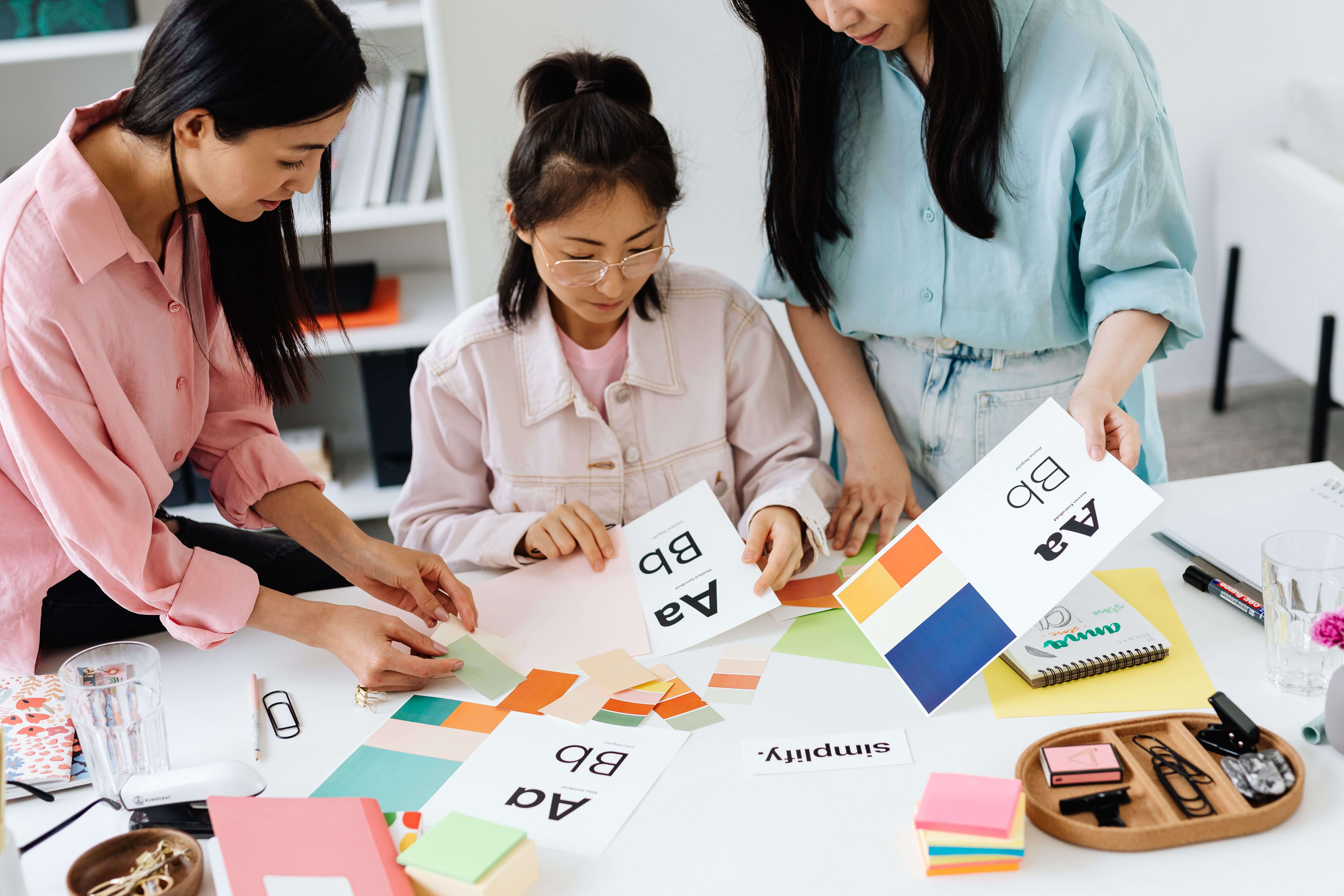
Beyond the categories, agencies come in two broad shapes. A specialist goes deep on one craft and tends to do that one thing exceptionally well. A full-service or integrated agency offers most disciplines under one roof and coordinates them for you.
The right shape depends on your scope. For a focused project, a specialist usually wins on craft. For a sprawling one, a full brand launch with strategy, identity, advertising, and media all moving together, an integrated agency or a strong lead agency that can coordinate specialists saves you from becoming the project manager yourself. You can scan both kinds across the full A to Z directory or by city and specialty.
Agency, freelancer, or in-house
An agency is not the only option. For focused, well-defined work, an independent creative is often a faster, more affordable fit. Agency Showcase lists creative directors, art directors, copywriters, motion designers, and graphic designers for exactly that. As a rule of thumb, agencies suit big, multi-discipline work, freelancers suit focused craft, and an in-house team suits ongoing, high-volume needs. Many brands run a mix.
How to choose the right type
Work backward from your problem. Write down what you are actually trying to achieve in plain terms, then match it to the type built for that job. A new identity points to branding. A product launch points to advertising, often with media alongside it. A new app points to digital product. Reputation points to PR. If your project touches several of these at once, you are likely looking for an integrated agency or a lead partner to coordinate the rest.
Once you know the type, the harder work is choosing the specific studio. Our companion guide on how to choose an agency covers building a shortlist, reading a portfolio, understanding pricing, and spotting red flags.
Frequently asked questions
What are the main types of agencies?
The most common types are advertising, branding and identity, digital product and UX, strategy, media and performance, social and content, motion and film, experiential, PR and communications, and packaging design. Some agencies specialize in one of these, while full-service or integrated agencies combine several under one roof.
What is the difference between a branding agency and an advertising agency?
A branding agency builds the core identity of a company: its name, logo, visual system, voice, and guidelines. An advertising agency takes a brand to market with campaign ideas and ads that run across channels like TV, digital, social, and out-of-home. Branding defines who you are; advertising tells the world about it. Some agencies do both, but the strongest work usually comes from a team built for the specific job.
What is a full-service agency?
A full-service or integrated agency offers most disciplines under one roof, from strategy and branding to advertising, digital, and media. It suits large, multi-part projects that need many specialties coordinated by one team. The trade-off is that a generalist may not match a focused specialist on any single craft, so it comes down to the scope and complexity of your work.
Do I need a specialist agency or a full-service one?
Choose a specialist when your project is focused, such as a brand identity, a website, or a media campaign, because a team built for that work tends to do it best. Choose a full-service or integrated agency when the project spans many disciplines that need to be coordinated, like a full brand launch with strategy, identity, advertising, and media together.
What is the difference between an agency and a freelancer?
An agency brings a full team with multiple disciplines, senior oversight, and the capacity for large or ongoing work. A freelancer or independent creative offers a specific craft, often at lower cost and with more direct access, and is a strong fit for focused, well-defined projects. Many brands use a mix: an agency for the big, complex work and freelancers for steady, specialized tasks.
Find the right type for your project
Browse Agency Showcase by specialty to see the best studios in each category, or filter by city to find them near you. Every listing is chosen by hand for the quality of its work.
Browse by specialty →Related reading: How to Choose an Agency and How to Build a Portfolio That Gets You Hired.
← All guides